


The 99% That Matters Most in Ironman and marathon Training


There is always something new promising to make us faster. Carbon shoes, time trial bikes, power meters, supplements, saunas and recovery tools. I am not against any of them. I love good kit, useful data and anything that can help an athlete get a little more from their training.
But after years of coaching Ironman, 70.3 and running athletes, I have found that the 1%ers tend to work best when the other 99% is already in place. That 99% is the simple stuff. Training consistently, eating enough, fuelling properly, recovering well, communicating honestly and still enjoying the process.
I am a huge believer in consistency, but that does not mean every week has to be perfect. Most age group athletes are balancing training with work, family, relationships and normal life. Sessions will get missed and plans will need to change. One missed swim is unlikely to ruin an Ironman, just as one massive week is unlikely to make one. Progress usually comes from putting sensible weeks together over time and continuing to return to the process when life gets busy.
The same applies to nutrition. Supplements, protein yoghurts, magnesium and recovery products can all have a place but if an athlete is not eating enough or fuelling their key sessions properly, those smaller additions are probably not the first place I would look.
Ironman training asks a lot from the body. In my experience, eating enough, fuelling the work and recovering properly will usually make a much bigger difference than stressing over every supplement.
Equipment is another area where it is easy to get caught up in the small details.
Do you need an expensive time trial bike to complete an Ironman? Absolutely not. I have seen plenty of athletes train and race brilliantly on a road bike with clip-on TT bars.
A time trial bike can be a great investment, but I care more about whether the bike fits properly, is reliable and feels comfortable over a long distance. A $10k TT is not automatically faster if you cannot stay comfortable on it for endless kilometres. Power meters are useful too and they can be great for pacing. But they are still a tool. A power meter does not push the pedals for you. The consistent training still matters more.
Carbon shoes are similar. They can feel fast and may help on race day, but they are not essential. For training, I am more interested in whether a shoe is comfortable, suits the athlete and helps them stay healthy enough to keep running. A carbon shoe cannot create the durability needed to run a marathon after a long swim and bike. That comes from months of consistent work.
Lactate testing and sweat testing I see as completely unnecessary for age group athletes unless they have come to a place of nailing everything else and progression has paused. They are an expense that for the majority of athletes will lead to very minimal gains if the foundations are not in place. Recovery tools can be helpful as well. I enjoy a sauna, recovery boots can feel great and massage guns have their place. I just see them as additions. A sauna might support the work, but it does not replace it. Recovery boots might help your legs feel better, but they cannot make up for constantly underfuelling or not getting enough sleep.
One of the biggest things I have learned through coaching is that the athlete cannot be separated from the rest of their life. Support networks matter. Mental health matters. Relationships matter. Enjoyment matters. Ironman training takes time, and having people around you who understand the goal can make the whole experience much more manageable. Open and honest communication is also incredibly important to me as a coach. I would much rather an athlete tell me that work is stressful, sleep has been poor or motivation has dropped than quietly force their way through a programme that is no longer working. The training plan should respond to the athlete, not the other way around.
I also think there needs to be some fun in it. Not every session will be enjoyable, but there should still be moments that keep the spark alive. Sometimes the best part of a group ride is the conversation or the coffee afterwards. The athletes who enjoy what they are doing are often the ones who thrive!
The 1%ers still matter, particularly for high-performing age group athletes. Small gains can be the difference between a personal best, a podium or a qualification spot.
I just see them as the next layer.
A power meter is more useful when the athlete is already training consistently. Carbon shoes are more useful when the durability is there. Supplements are more useful when everyday nutrition is already supporting the work. It is not about saying something is right or wrong. It is about getting the order right for the individual athlete.
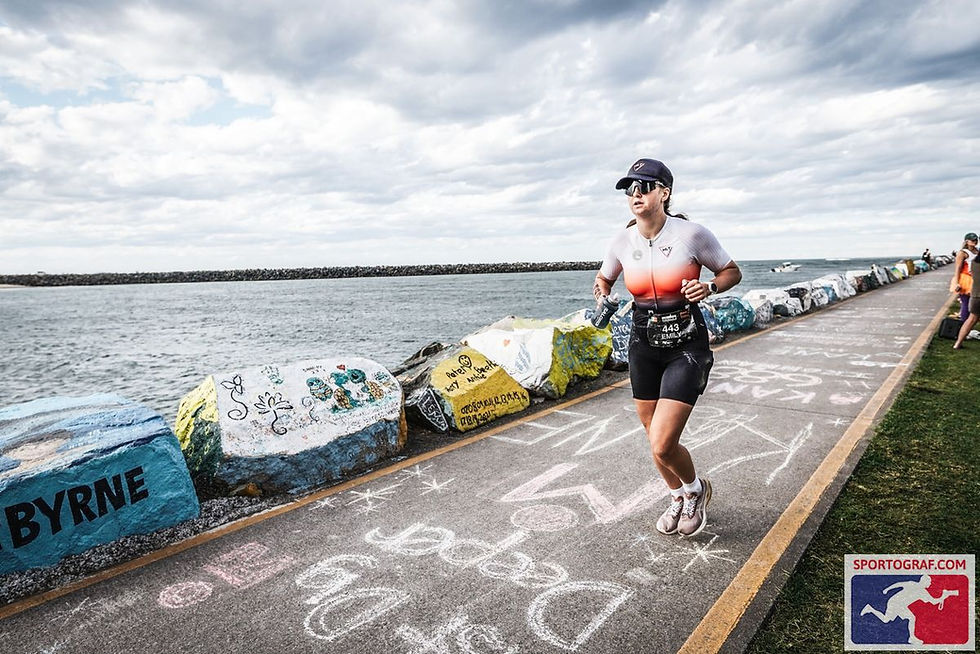
As races start to pop up more regularly, the Hurt Locker Tri crew are looking strong, and I am incredibly proud of the work they have put together. That strength has not come from one magic session or one expensive piece of equipment. It has come from consistent work, honest conversations, good people and athletes who keep showing up.
Taking some of the pressure away from perfecting every 1%er can make the other 99% feel more achievable, more enjoyable and far more sustainable.
From what I have seen over the years, that is usually where the real progress happens.


Comments